Want smarter marketing? Join our FREE community — built for people working in construction
Best Types of Construction Videos to Film in Melbourne

When people search for Melbourne video production in construction, they’re usually trying to answer one question:
“What kind of video will actually help me win better work and keep clients informed?”
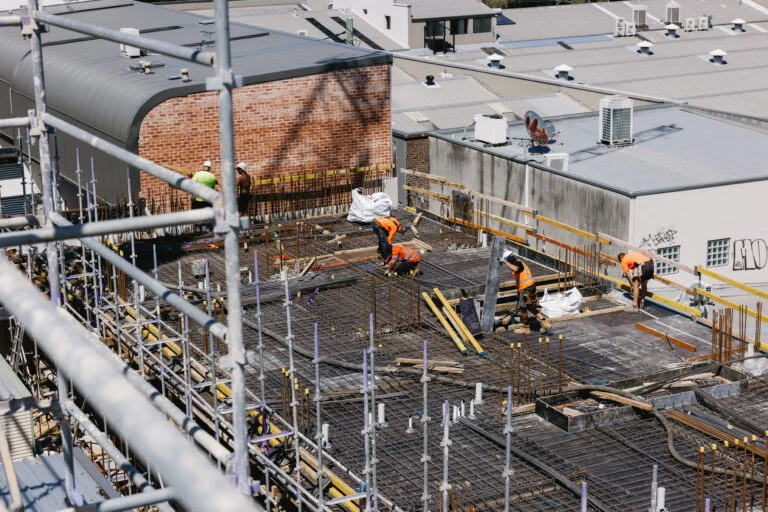
Not every project needs a big-budget film, but almost every serious builder can benefit from the right mix of video: project showcases, time-lapse, drone footage, progress updates, safety content and short-form clips.
This guide walks through the best types of construction videos to film in Melbourne, when to use each, and how to choose the right blend for your next project.
Why Construction Video Matters in Melbourne Right Now
If you build in or around Melbourne, your clients are already seeing polished construction time-lapse, drone aerials and project films from competitors in their feeds and tender packs. Dedicated providers now offer time-lapse, drone and on-site video services specifically for construction projects in Melbourne and Victoria, which shows how mainstream these formats have become.
Video gives you what photos and PDFs can’t:
- A clear sense of scale and context
- The ability to show progress over time
- Proof that you run a safe, organised site
- A human face on your brand for tenders and new clients
The question isn’t “Should we use video?” anymore. It’s “Which types of construction videos make sense for this project, at this budget, for this audience?”
Quick Comparison: Video Types vs Goals
Here’s a simple way to see which construction video formats line up with your outcomes.
| Video type | Best for… | Typical use cases |
| Project showcase / completion | Attracting new clients, elevating your brand | Website case studies, social media, capability decks |
| Time-lapse construction video | Showing full build progress in seconds | Board reports, investor updates, project launches |
| Drone / aerial construction | Demonstrating scale, location and context | Tight urban sites, large estates, industrial & infrastructure |
| Site progress updates | Keeping stakeholders informed | Monthly client updates, internal reporting |
| Safety & induction videos | Consistent onboarding and compliance | Site inductions, subcontractor briefings, refresher training |
| Tender & capability videos | Standing out in competitive bids | Major tenders, EOIs, pre-qualification documents |
| Short-form social clips | Awareness, brand building, top-of-funnel leads | Instagram Reels, TikTok, LinkedIn posts, YouTube Shorts |
You don’t need every format on every job. For most builders, one or two hero formats plus simple social content is enough to start.
Project Showcase & Completion Videos
If you only produce one kind of construction video, make it a project showcase.
A showcase (or completion) video is a short film that tells the story of a single build: what you created, who it was for and what makes it different. It’s the most versatile format in a Melbourne video production strategy for builders.
A strong project showcase:
- Walks viewers through the finished space in a logical way
- Highlights key details: joinery, finishes, lighting, landscaping
- Briefly hints at the challenges you solved (tight site, complex staging, heritage constraints)
- Leaves potential clients thinking, “These are the people I want building my project”
Showcase videos work well for:
- Architect-designed homes and townhouses
- Commercial fit-outs and refurbishments
- Large industrial or civil projects that anchor your portfolio
Once produced, a single project showcase can live on your website, in proposals, on LinkedIn and in email campaigns for years.
Construction Time-Lapse: Showing the Whole Story in Seconds
Search interest in construction time-lapse video and dedicated time-lapse providers in Melbourne has grown steadily, especially for warehouses, infrastructure and multi-storey developments.
Time-lapse compresses weeks or months of work into a short sequence where foundations, steel, cladding and landscaping all appear in one smooth movement. It’s ideal when you want people to see progress, not just the finished result.
A well-planned construction time-lapse can:
- Document the build from site establishment through to handover
- Provide a permanent visual record for stakeholders and insurers
- Double as content for launches, presentations and social posts
In Melbourne, time-lapse is especially effective on:
- Multi-level residential and commercial projects
- Distribution centres, industrial sheds and logistics facilities
- Bridges, roads and other infrastructure with big visual changes
The key is planning: camera location, security, power and remote monitoring all matter. That’s why many builders choose crews that specialise in long-term construction time-lapse rather than a generalist approach.
Drone & Aerial Construction Videos
Searches for drone videography in Melbourne, “construction drone video” and related terms have grown as clients expect to see the bigger picture from above. Numerous Melbourne-based providers now specialise in aerial documentation for building and infrastructure projects.
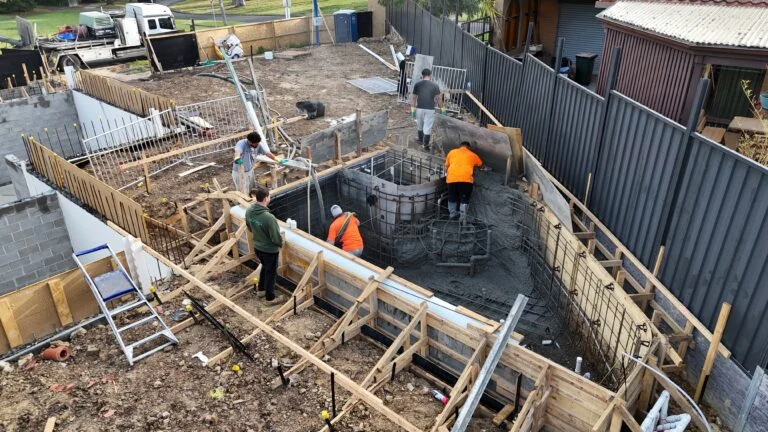
Aerial video is unbeatable when you need to show:
- How the project sits within its street, neighbourhood or landscape
- Access, parking, vehicle movements and staging
- Roofscapes, solar installations and external services
- Overall scale on civil or industrial sites
Drone footage is particularly useful for:
- Tight inner-city builds where scale is hard to grasp from ground level
- Master-planned communities and large estates
- Major industrial and infrastructure works where context matters
On live construction sites, aerial work must be coordinated properly: licensed operators, airspace awareness and site safety processes are all critical. A construction-experienced video production team in Melbourne will be used to inductions, PPE, high-risk areas and communication with site managers.
Site Progress & Stakeholder Update Videos
Not every video needs to be public-facing. Progress updates are more like moving status reports: short, clear clips that keep people informed without asking them to read long emails or reports.
Site progress videos are perfect for:
- Owners who can’t regularly visit site
- Investors or JV partners spread across different locations
- Internal teams who need to show leadership how the job is tracking
A typical progress video might cover what’s changed since the last update, what’s happening right now and what’s coming next. Simple on-screen text or a short voiceover is usually enough.
For many builders, the smartest approach is to combine progress updates with other formats. For example: a long-term time-lapse camera for the whole build plus occasional on-site filming days to capture closer details and interviews.
Safety & Site Induction Videos
Safety and induction videos don’t feel glamorous, but they are some of the most practical and high-impact construction videos you can create.
Instead of delivering the same talk multiple times a week, supervisors can rely on a site induction video that shows exactly how to arrive, where to park, how to sign in and what PPE and procedures are required. Many safety and site monitoring providers now tie visual content into their construction offerings, which reflects how video has become a standard tool in this space.
A well-designed induction video can:
- Standardise the message across multiple sites and teams
- Reduce the risk of people “half listening” to face-to-face briefings
- Demonstrate your commitment to compliance if something goes wrong
It usually covers site access, check-in process, PPE, high-risk zones, traffic routes, emergency procedures and who to contact. Once produced, it can be edited and adapted for future projects with similar layouts, making it a long-term asset rather than a single-use cost.
Need Clear, Consistent Site Induction Videos in Melbourne?
Share your current safety brief and site layout and we’ll design an induction video plan you can roll out across multiple projects and crews.
Tender, Capability & Case Study Videos
On major projects, written capability statements and design documents all start to look the same. A concise capability or tender video gives decision-makers a fast way to understand who you are and what you build.
| How these videos help | Typical formats |
| Put faces to names, so evaluation panels feel like they already know your team | A short brand story that introduces your company and sectors |
| Show completed projects that are similar to the job being tendered | A sector-specific showreel (education, industrial, aged care, civic, etc.) |
| Convey your process, safety culture and communication style in a few minutes | A deep-dive case study on a single flagship project |
The benefit of thinking of “tender video” rather than a one-off piece is that the same content can sit on your website, be shared on LinkedIn and be reused in future pitches.
Short-Form Social Content for Builders & Trades
Short-form video has become a huge part of how people discover brands in Melbourne’s building and renovation space. Quick clips on Instagram, TikTok, LinkedIn and YouTube Shorts are often where potential clients first stumble across your work.
The goal here isn’t to make a Hollywood film. It’s to show real work, real people, real progress in a way that feels authentic.
Short-form construction clips might include:
- Fast before-and-after transitions of rooms, facades or outdoor spaces
- Quick looks at key milestones: slab being poured, crane lifts, fit-off details
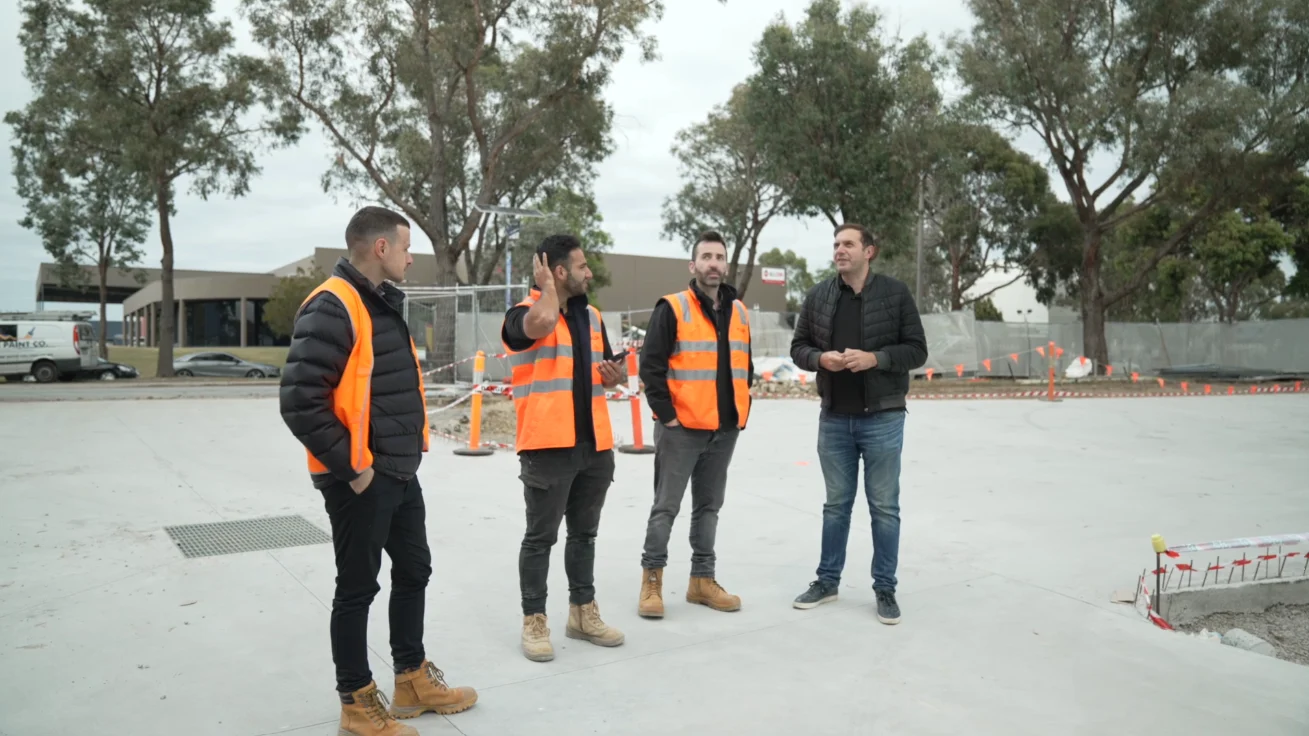
- Short messages from supervisors or directors talking through what’s happening on site
A smart way to handle this is to plan social content around your bigger shoots. When a Melbourne video production crew is already on site for a showcase, time-lapse check or capability film, you can have them capture vertical clips and simple talking-head pieces that can be cut into Reels and Shorts later.
Choosing the Right Mix of Construction Videos for Your Next Melbourne Project
You don’t need every type of video on every project. Instead, start with the outcome and work backwards.
- If your main goal is to win more of a certain type of work, focus on project showcases and tender/capability videos that highlight similar jobs.
- If you need to keep stakeholders informed over time, pair a long-term time-lapse with occasional progress updates.
- If you want to build a recognisable brand, combine hero project films with regular short-form clips on social.
- If your priority is safety and compliance, invest in induction and safety explainer videos first, then layer marketing content later.
Most builders find that one or two “anchor” formats, plus a simple plan for regular social clips, covers the majority of their needs.
FAQs About Construction Video Production in Melbourne
What type of video is best for showcasing a construction project in Melbourne?
For most projects, a short project showcase or completion video is the best option. It lets you present the finished space, highlight key details and briefly explain the story behind the build. You can then cut shorter clips from it for social media and tender submissions.
How much does a construction video cost in Melbourne?
Costs vary depending on scope: number of locations, how many shoot days, whether you need drone, time-lapse or multiple edits, and how polished the final product needs to be. As a general rule, planning a shoot that produces several useful assets for example a main showcase, a few short social edits and some cutaway footage is usually more cost-effective than commissioning single one-off videos.
How long does it take to produce a construction video?
For a typical showcase video, you’ll usually allow a few days for planning, one day on site and one to three weeks for editing and feedback. Time-lapse runs for the duration of the build, with the final edit created at the end. Safety and induction videos often require slightly more pre-production (to get the messaging and scripting right) but can then be reused and refreshed across multiple projects.
How do I choose the right Melbourne video production partner for my construction projects?
Look for a team that can show specific construction examples in their portfolio, understands site safety and induction requirements, communicates clearly and offers a structured process from planning through to delivery. Providers who already work with builders, civil contractors and infrastructure clients around Melbourne are more likely to understand the realities of working on live sites and with tight programs.